
Stories & Insights
Updates, impact stories, and thought leadership from SWK Ghana's work in youth empowerment, climate action, circular economy, agribusiness, and technology.

30+ Join SWK Ghana and Aequitas Foundation’s Elevator Pitch Workshop
More than 30 people joined our free online Elevator Pitch Workshop with Aequitas Foundation on 17 September 2026, with 63 registered from four countries. The full event report is now available.

Pitch Ready: Inside Our Elevator Pitch Workshop
On 17 September, more than 30 people joined us and Aequitas Foundation online to learn how to build a 60-second pitch, part by part. What the session taught, who signed up, and what we are changing next time.

The SWK Marketplace: A Storefront for Ghana’s Youth-Led Green Economy
A great sustainable product means little if no one can find it. The SWK Marketplace connects young, eco-conscious entrepreneurs with customers who share their values — turning good intentions into real sales.
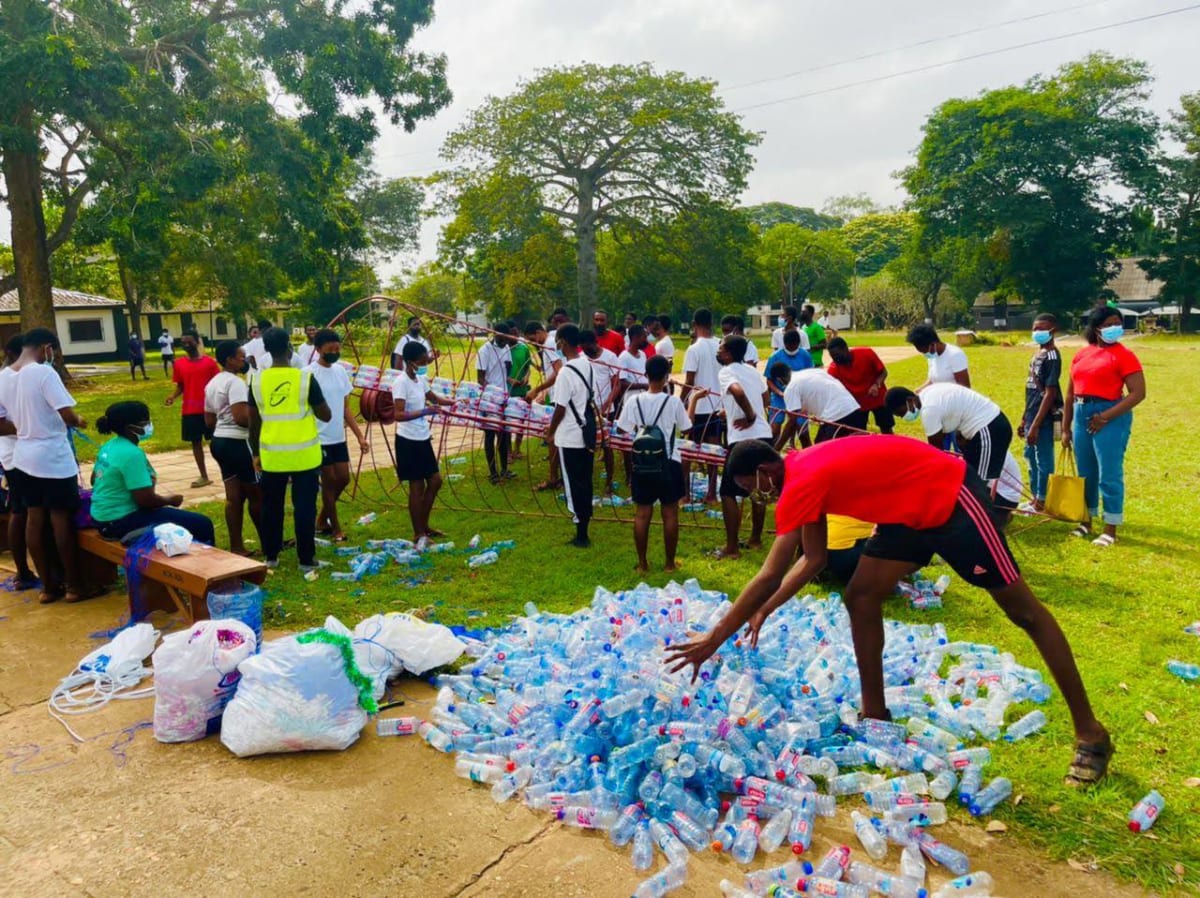
Taka Kipawa: Turning “Our Waste” Into a Cleaner Ga West
Taka Kipawa — “Our Waste” in Swahili — is SWK Ghana’s waste-management platform connecting households, collectors, and recyclers across Ga West Municipality. Here is the problem it solves and how it works.
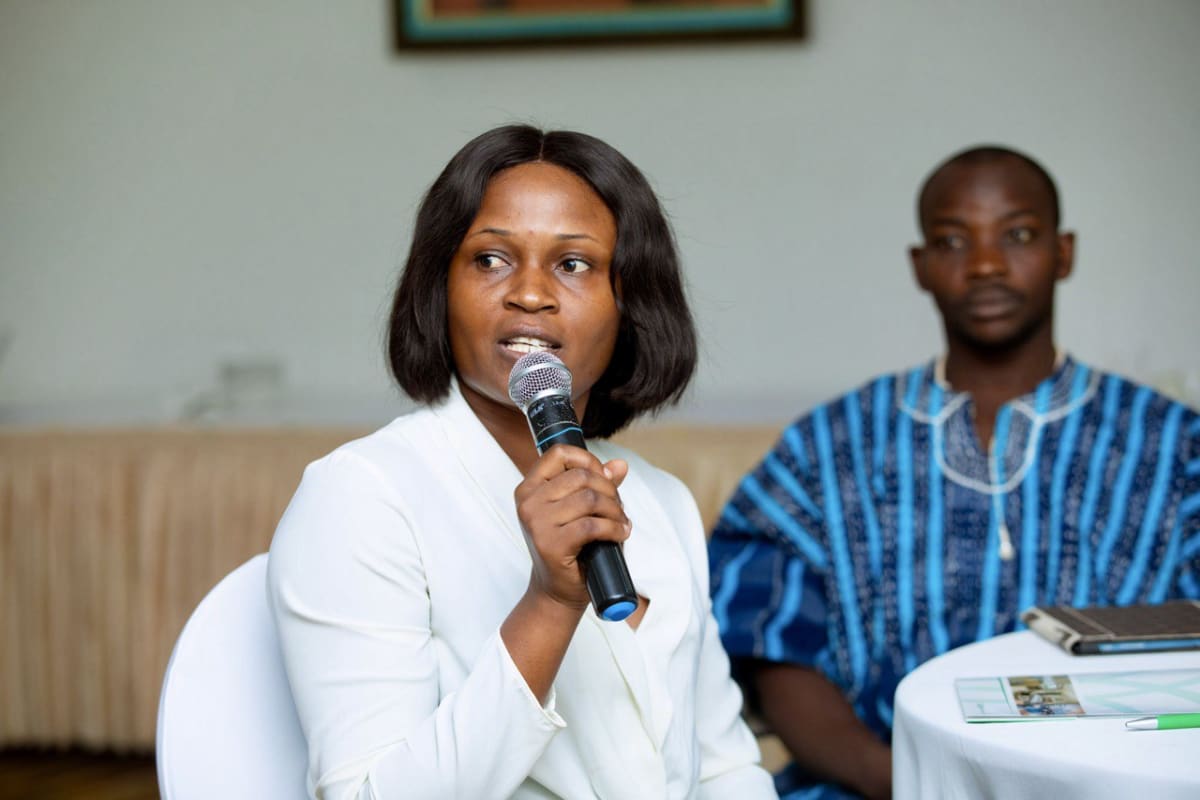
Change Starts at the Grassroots: Our Community Engagement Across Greater Accra
Real, lasting change does not arrive from the top down. It grows from within communities themselves. Here is how SWK Ghana works alongside communities across Greater Accra to build resilience from the ground up.
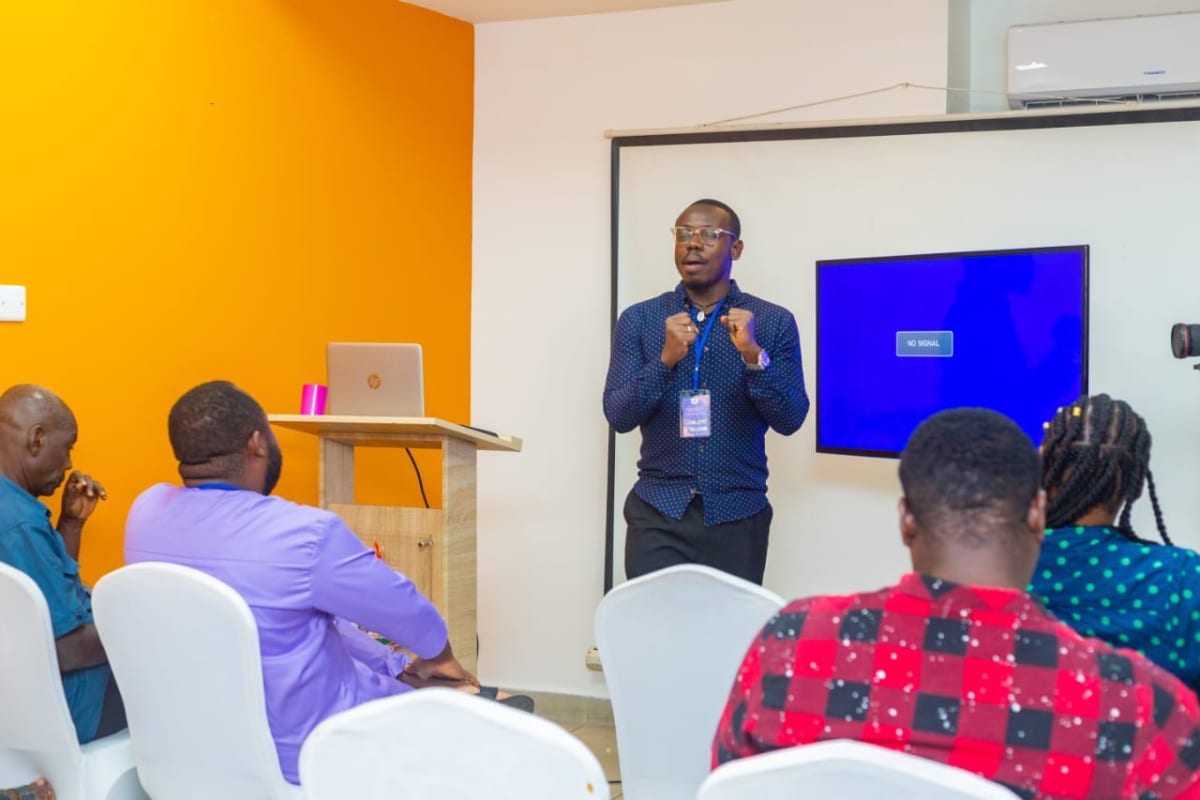
Leadership Is Built, Not Born: Inside SWK Ghana’s Youth Development Approach
The best leaders are not discovered — they are developed. SWK Ghana’s youth development programmes are built on a simple belief: give young people real skills, real responsibility, and real support, and they will rise.

Technology With Purpose: How SWK Ghana Builds Digital Tools for Real Problems
Technology is only as valuable as the problem it solves. SWK Ghana’s approach to tech and innovation starts with community challenges — and works backwards to the tools that fix them.
From Waste to Worth: The Circular Economy Ghana’s Youth Can Build
Ghana throws away enormous value every day. The circular economy asks a simple question — what if waste was treated as a resource, not a burden? For young entrepreneurs, the answer is a generational opportunity.
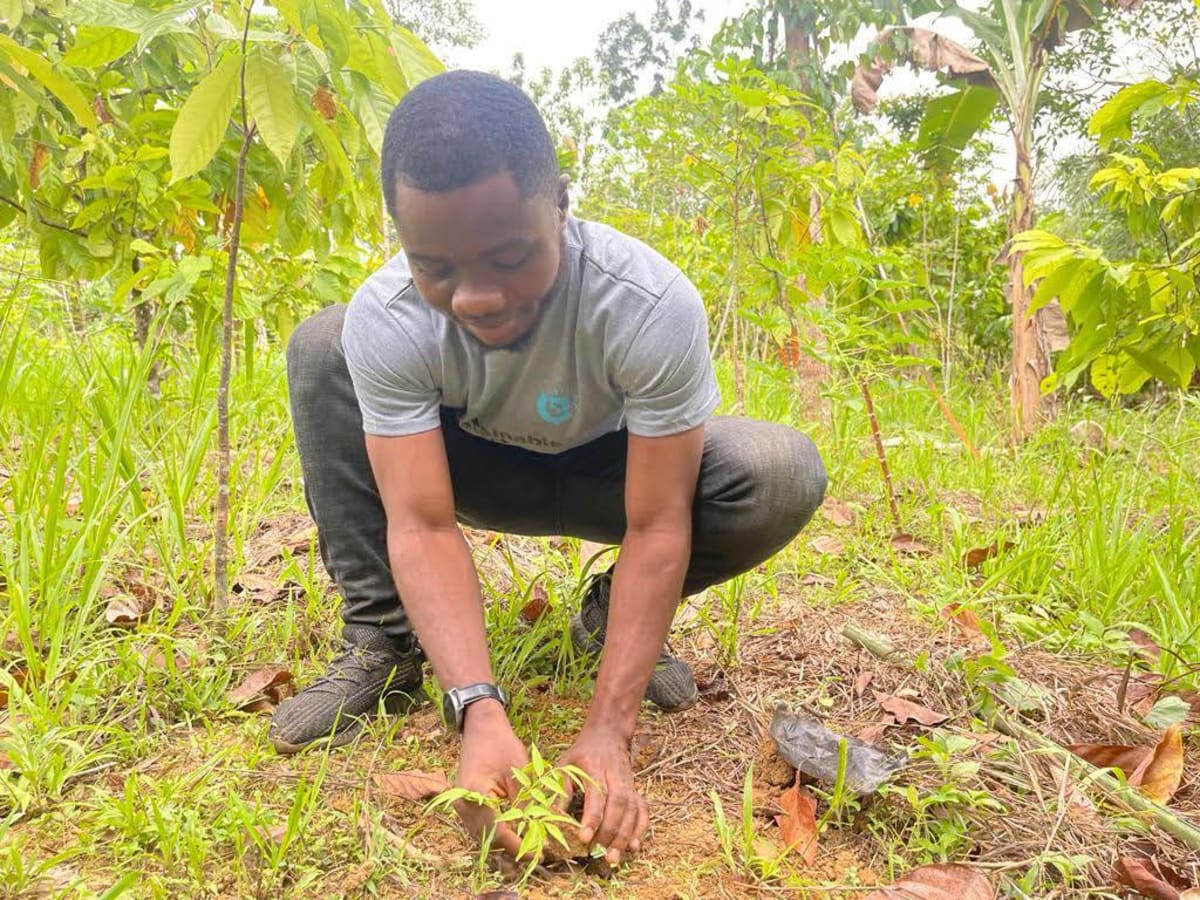
Youth on the Frontline: Why Climate Action Is Ghana’s Defining Fight
Ghana’s young people did the least to cause the climate crisis, yet they will live with it the longest. That is exactly why they must lead the response — and why SWK Ghana puts youth at the centre of climate action.
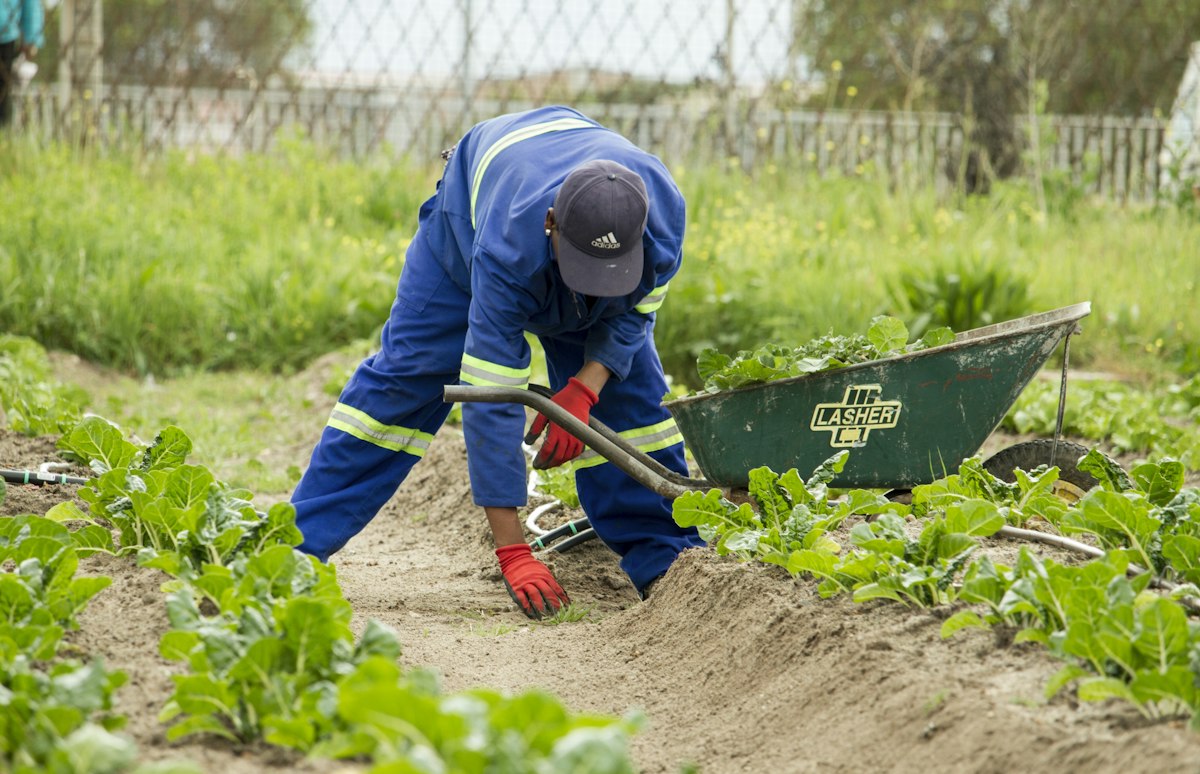
Why 2026 Is the Year That Changes Everything for Youth Agribusiness in Ghana
AfCFTA is active. Feed Ghana is funded. A new Ministry of Youth Development has launched. GIRSAL is de-risking agricultural loans. The conditions for youth agribusiness in Ghana have never been more favourable, and 2026 is the moment to act.
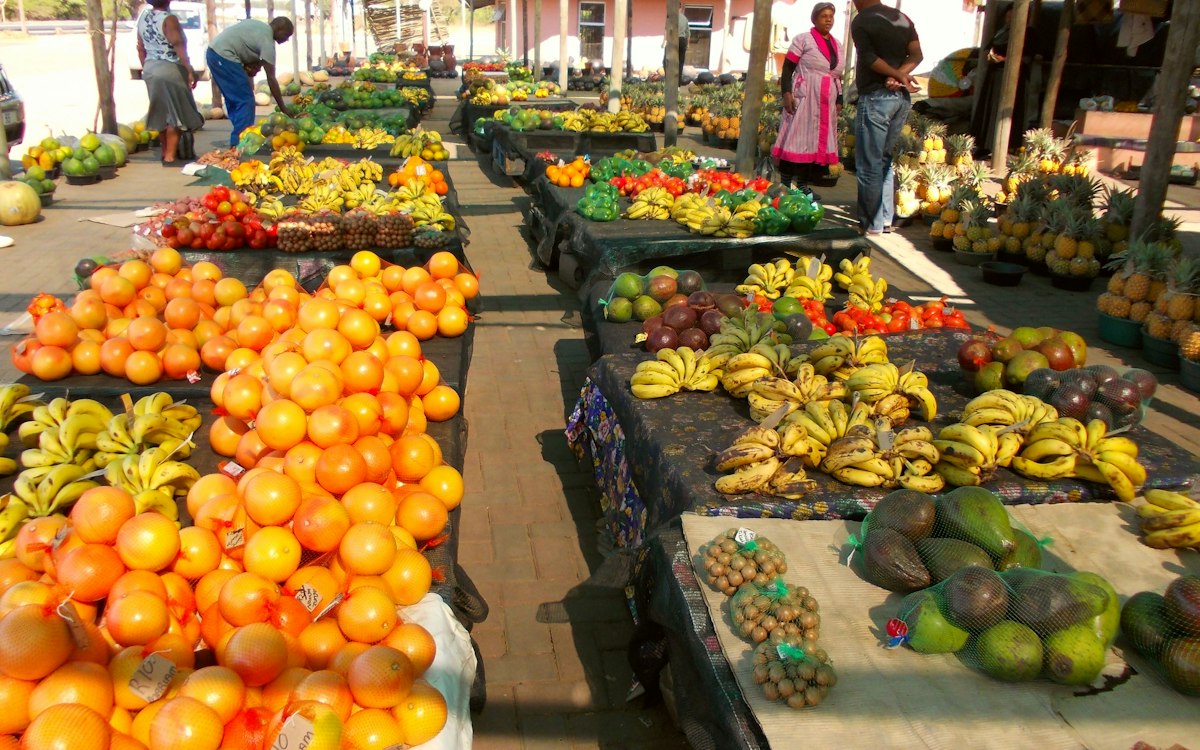
What 230 Young Africans Taught Us About Hope, Ambition, and Agribusiness
Across three editions of SWK Ghana's Agribusiness Webinar Series from September to November 2025, 230 verified registrants joined from 9 countries, with 92% opting into our WhatsApp community. Here is what they taught us.
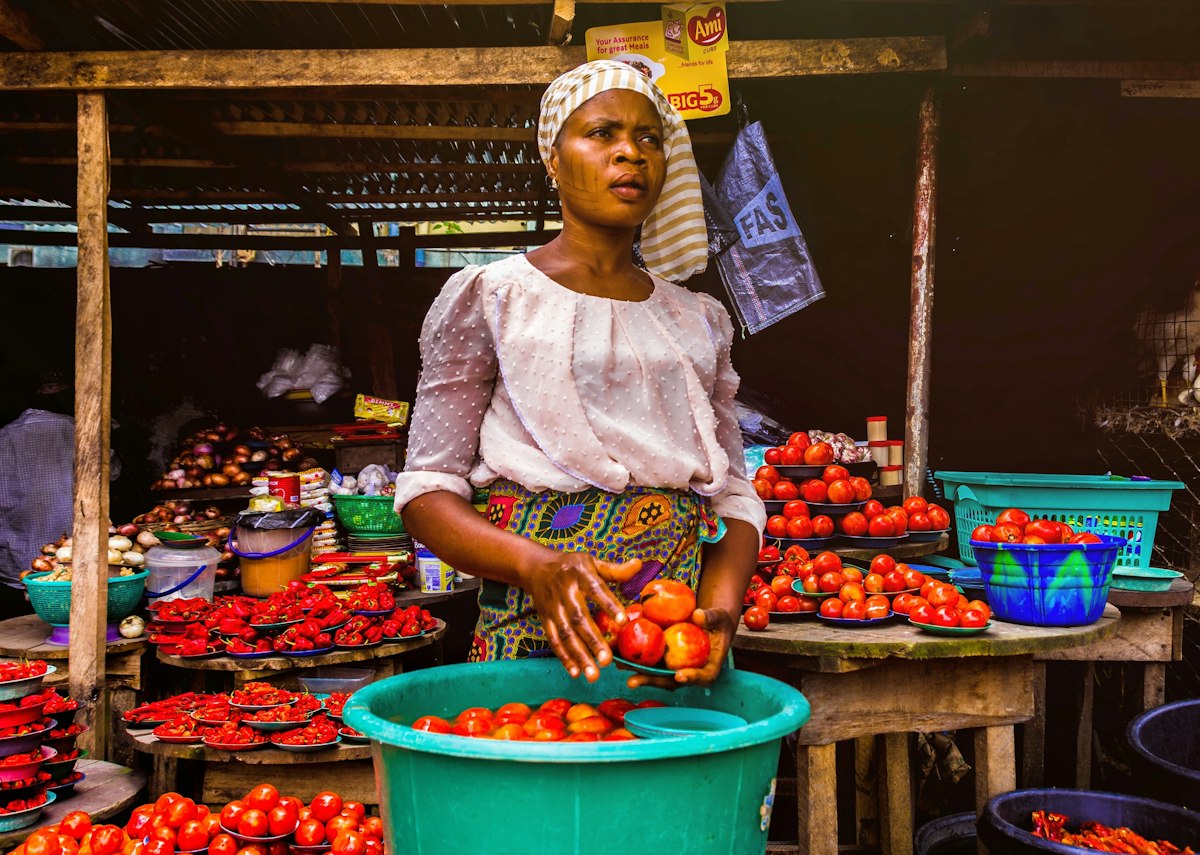
The GHS 39 Billion Food Import Bill: This Is the Problem Young Ghanaians Were Born to Solve
In 2024, Ghana spent nearly GHS 39 billion importing food that could be produced locally. This is not just a policy failure. It is the largest untapped market opportunity in the country, and young Ghanaians are exactly the people to claim it.
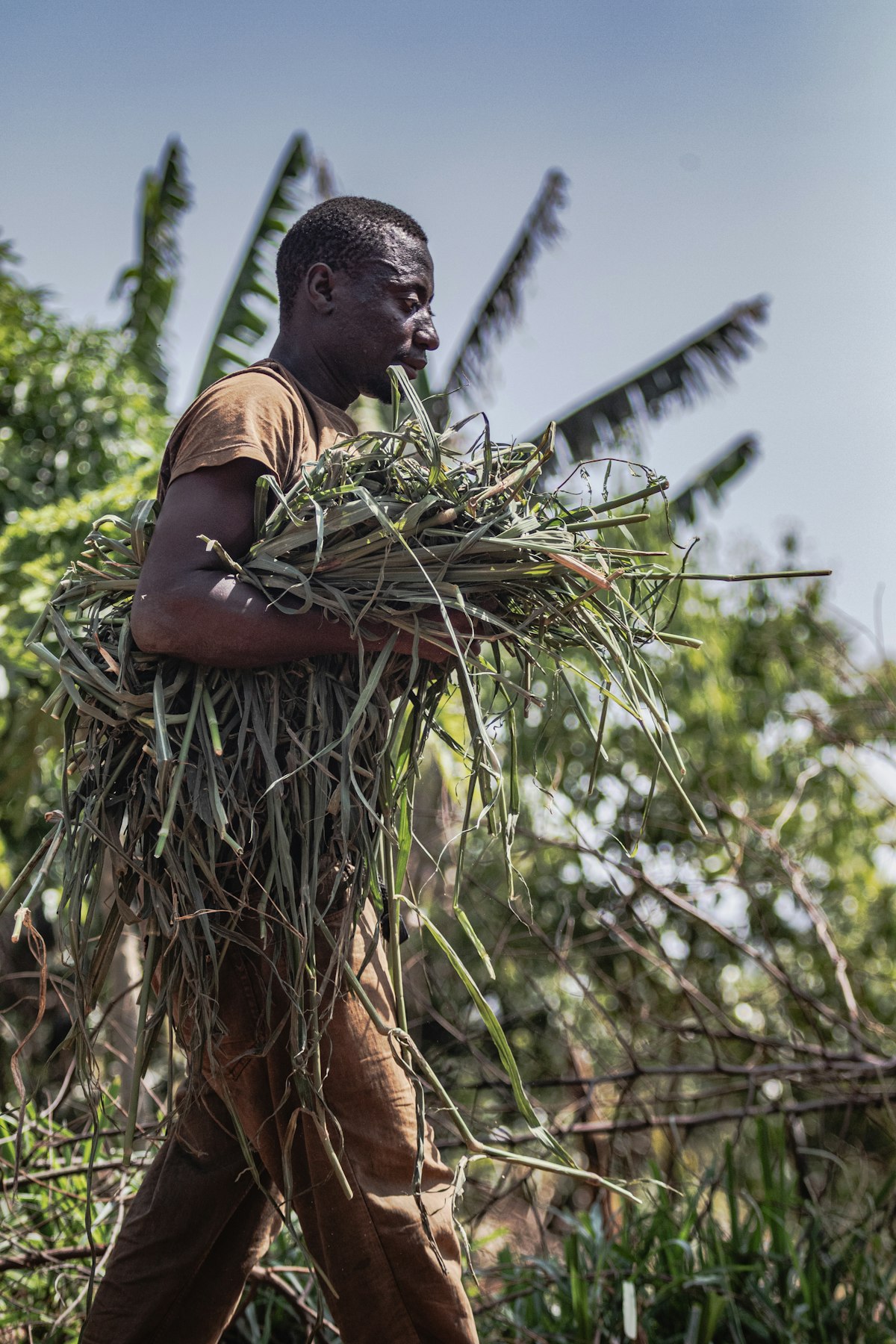
Agriculture Is Not a Fallback Career: It's Ghana's Biggest Untapped Opportunity
For too long, farming has been positioned in Ghana's cultural imagination as what you do when nothing else worked. The data tells a completely different story, and it is time we told it louder.
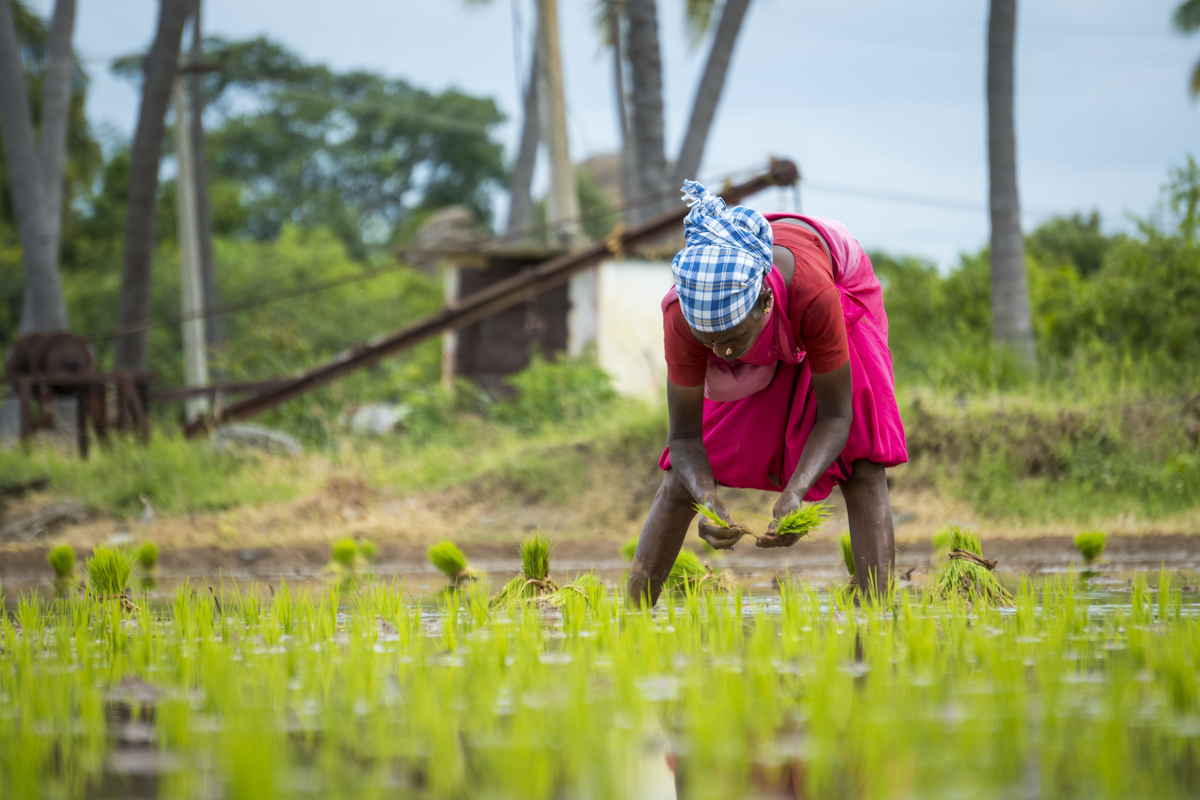
Mapping Ghana's Youth Agribusiness Ecosystem: Who's Doing What, and What's Still Missing
Ghana has a growing ecosystem of youth agribusiness programmes, competitions, and trade platforms. Mapping what exists reveals a consistent gap and points clearly to where the most impactful interventions still need to happen.
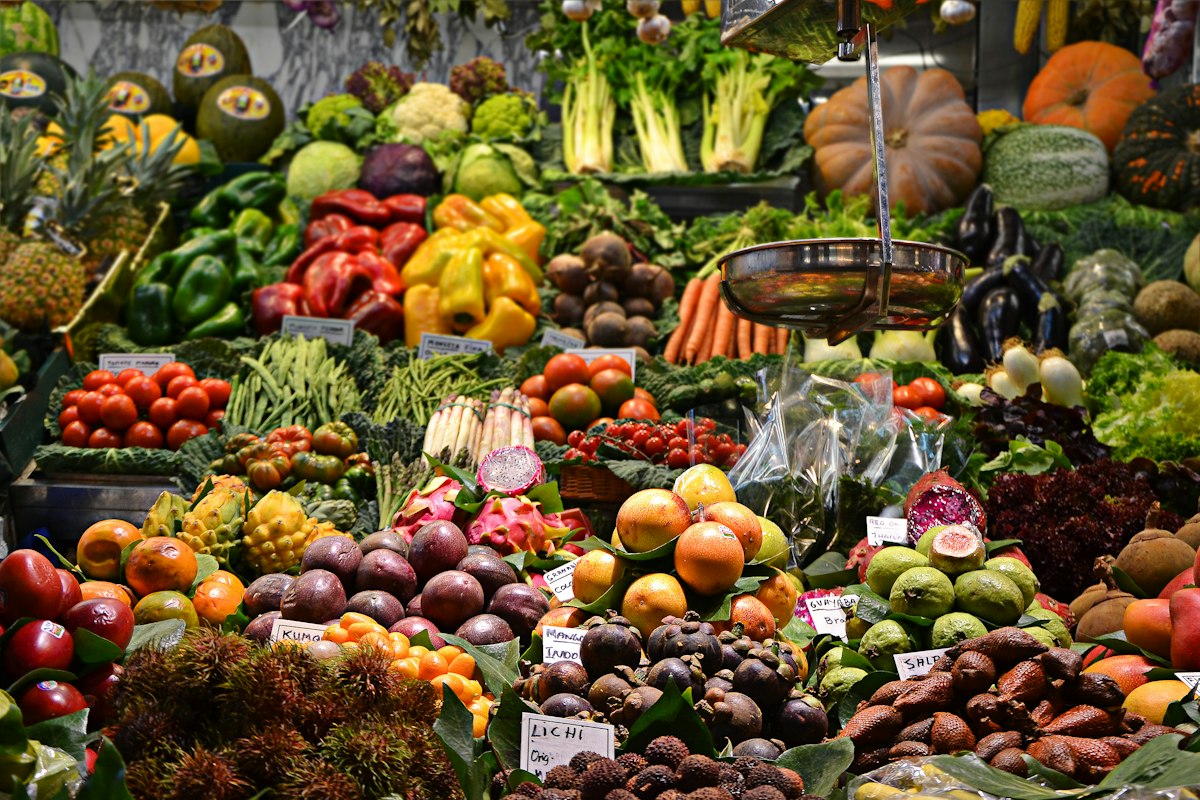
AfCFTA Explained: The Trade Deal That Could Transform Ghana's Young Agripreneurs
The African Continental Free Trade Area covers 54 nations, 1.7 billion people, and USD 6.7 trillion in projected consumer and business spending by 2030. Its secretariat is in Accra. For Ghana's young agripreneurs, this changes the mathematics of ambition.
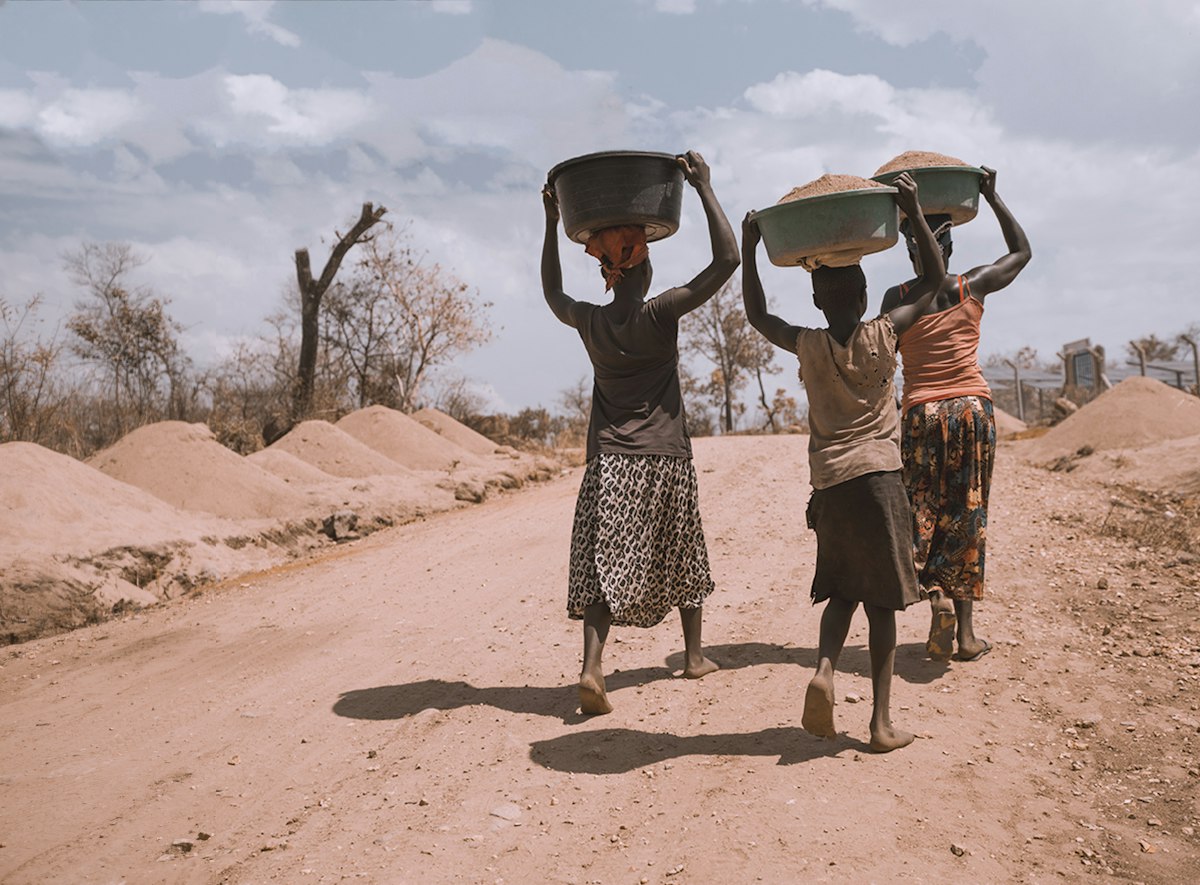
The USD 1 Trillion Opportunity: Africa's Agribusiness Market and What It Means for Ghana's Youth
Africa's food and agriculture market is projected to grow from USD 280 billion in 2023 to USD 1 trillion by 2030. Ghana's own agribusiness sector is valued at USD 3.8 billion by 2028. The opportunity for young Ghanaian agripreneurs is larger than most people realise.

The Six Dimensions of Youth Agricultural Exclusion in Ghana
Youth agricultural exclusion in Ghana operates across six interconnected dimensions: Perception, Finance, Land, Skills, Market Access, and Policy and Voice. Effective interventions must address all six simultaneously.
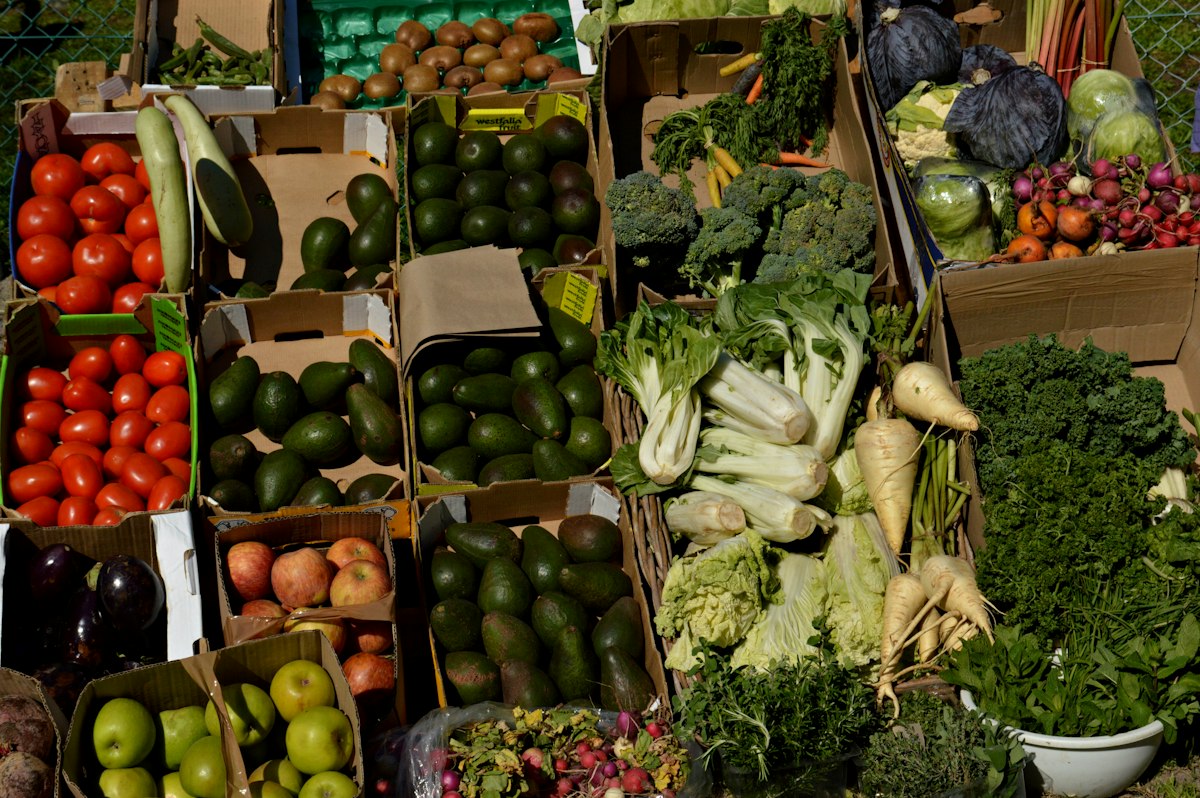
Accra's Dual Crisis: Youth Unemployment and the Agricultural Gap
Greater Accra has nearly double Ghana's national unemployment rate, with some youth cohorts facing nearly 50% joblessness. Meanwhile, Ghana imports over 53% of its food supply. These two crises share the same solution.
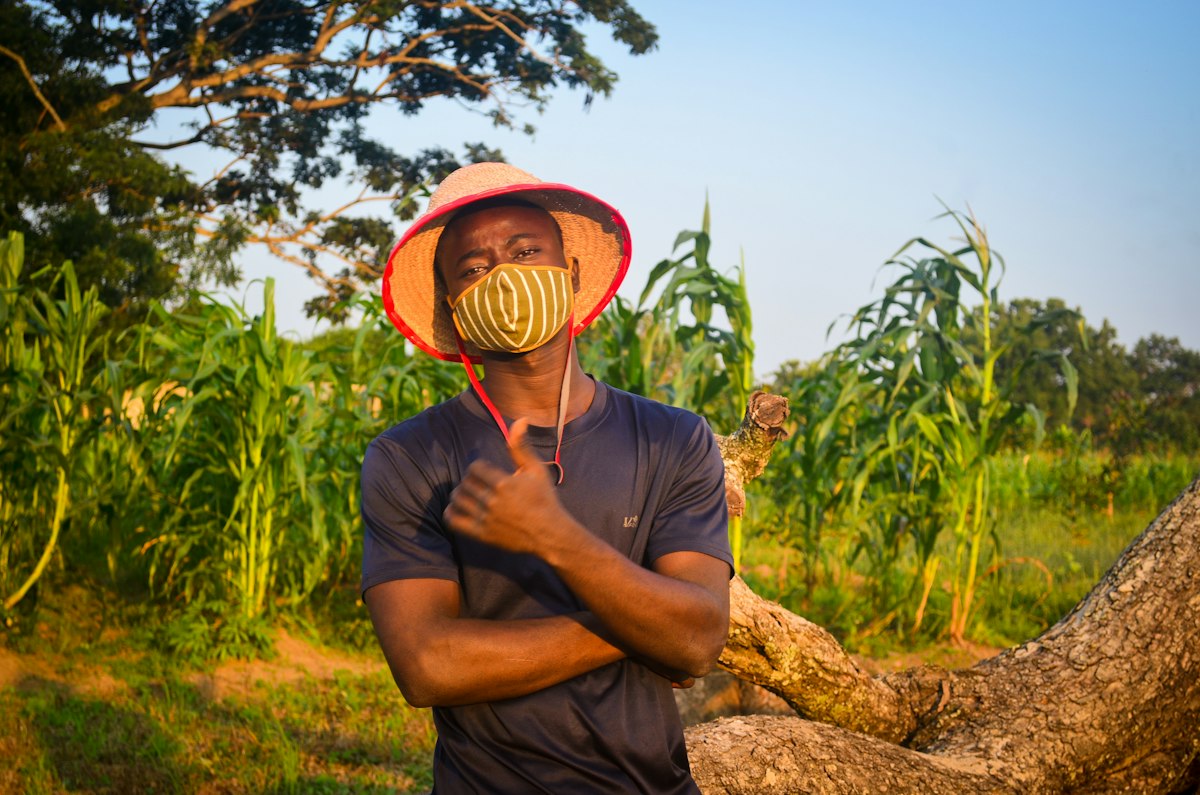
Why Ghanaian Youth Are Saying No to Agriculture
Ghana's agricultural sector is aging, productive employment is declining, and young people are actively avoiding farming. The data reveals exactly why and points to where solutions must begin.
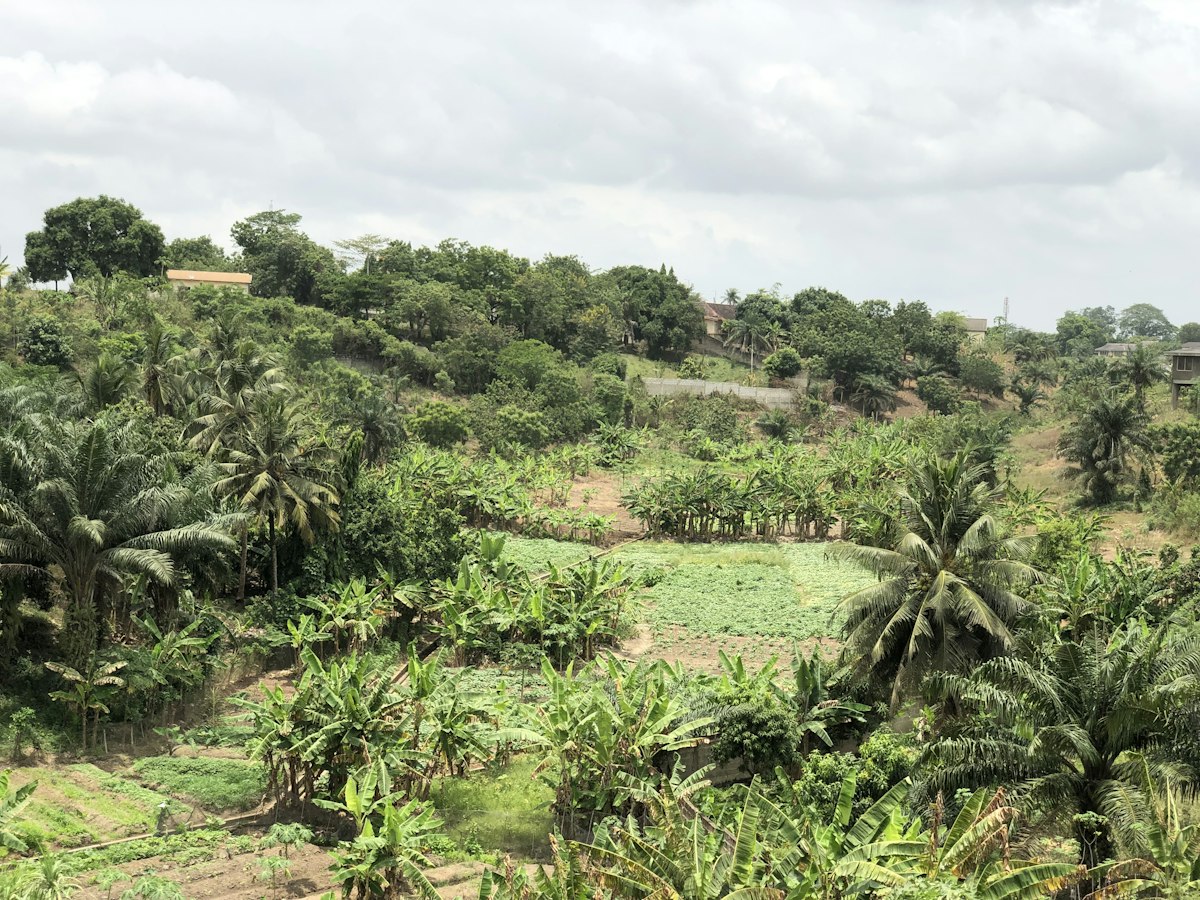
Ghana's 55-Year-Old Farmer Problem: A Ticking Clock for Food Security
The average Ghanaian farmer is 55 years old, with a national life expectancy of approximately 60. Agriculture contributes 20% of Ghana's GDP and employs 32% of its workforce. The succession mathematics are alarming.
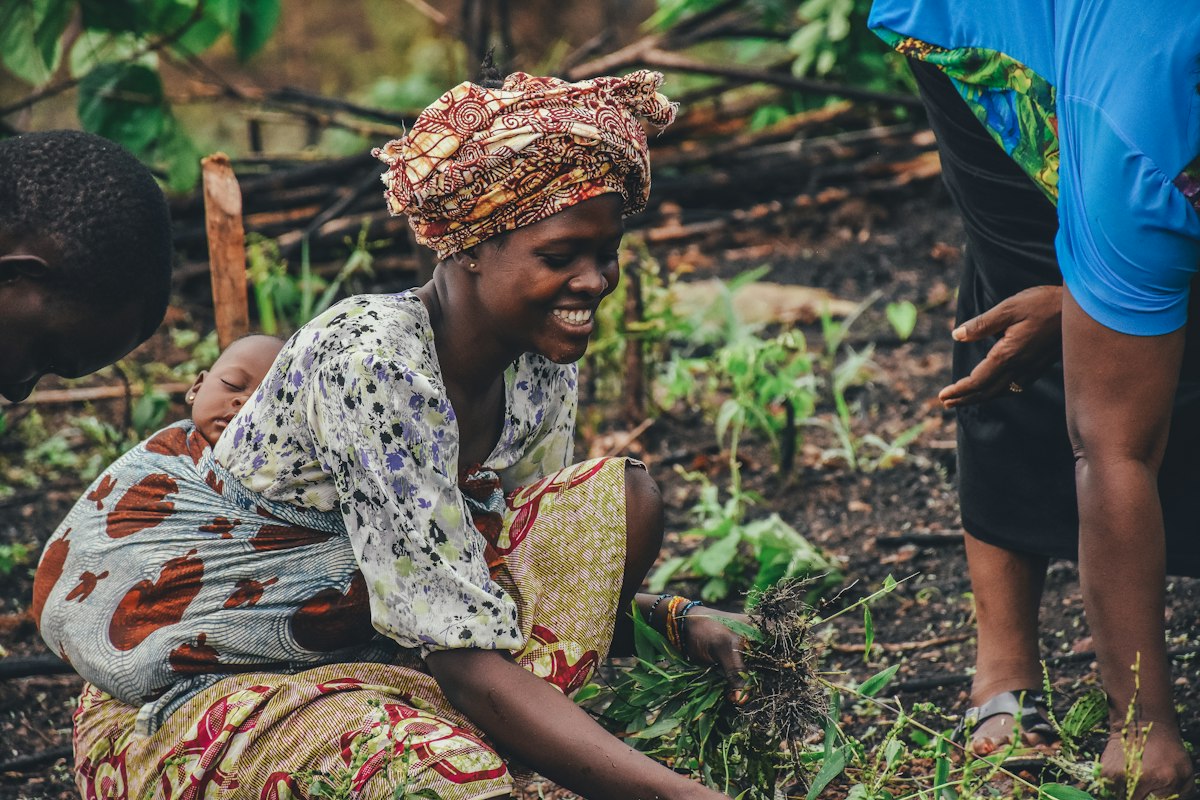
Africa's Youngest Continent Has Its Oldest Farmers
Africa has the world's largest and fastest-growing youth population, with over three in five people under 25. It also has one of the world's most rapidly aging agricultural workforces. This paradox sits at the heart of Africa's food security challenge.
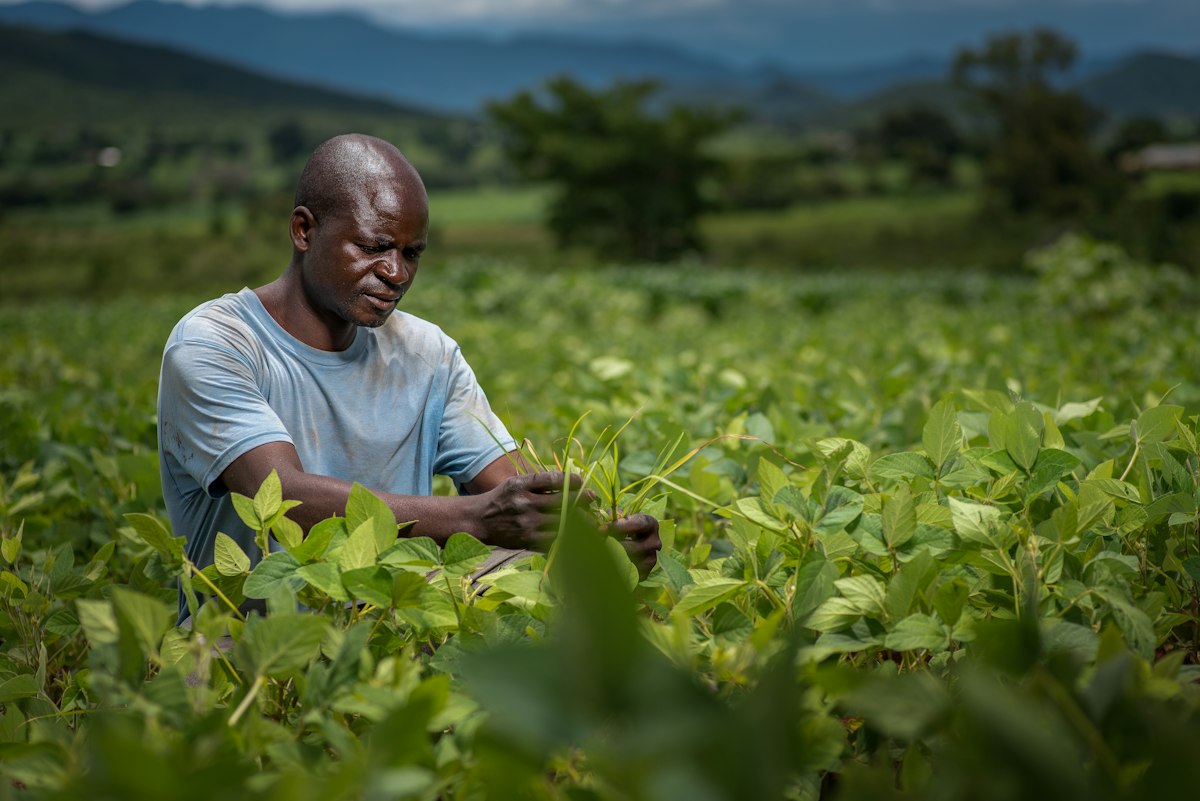
The Seven Barriers Keeping Youth Out of Agriculture
Research consistently identifies the same structural and perceptual barriers that drive young people away from agriculture. Understanding all seven is the first step to dismantling them.
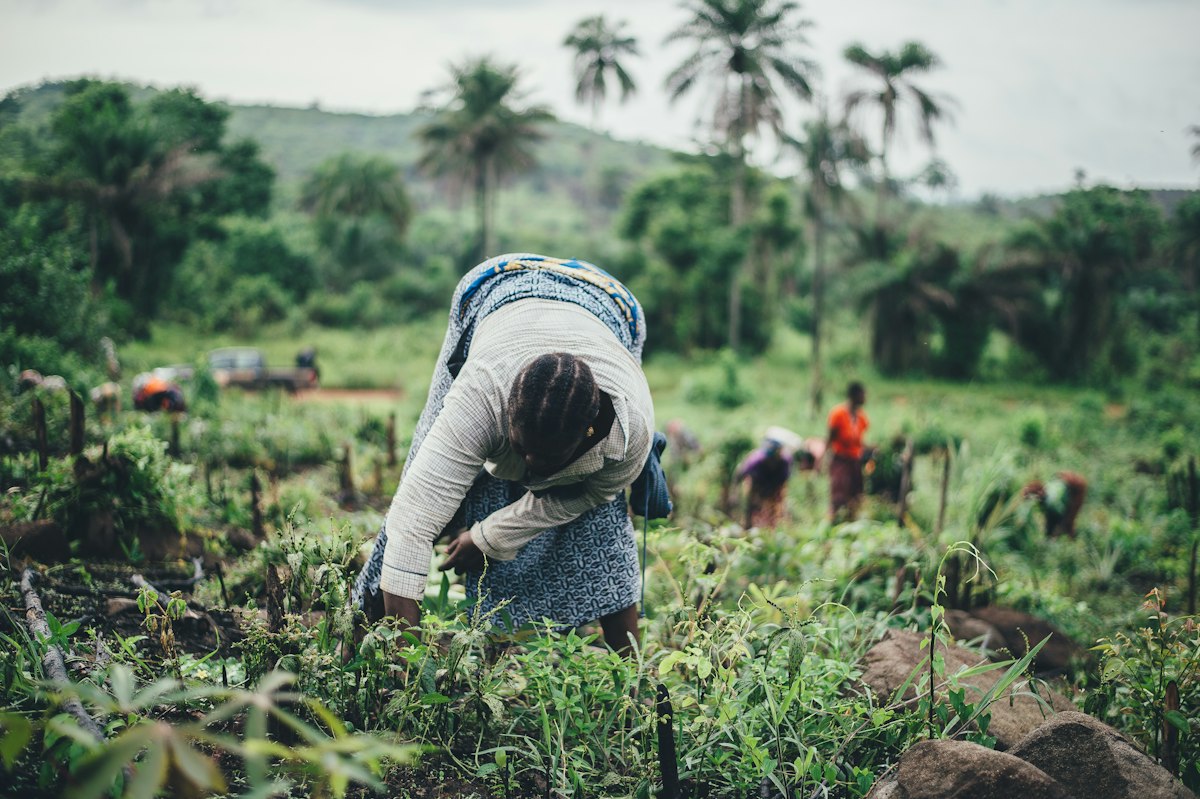
Why 10 Million Young People Left Agriculture in Just 16 Years
Between 2005 and 2021, the share of working youth in agrifood systems fell from 54% to 44%, a loss of 10 percentage points representing tens of millions of young workers. Understanding why this happened is essential to reversing it.
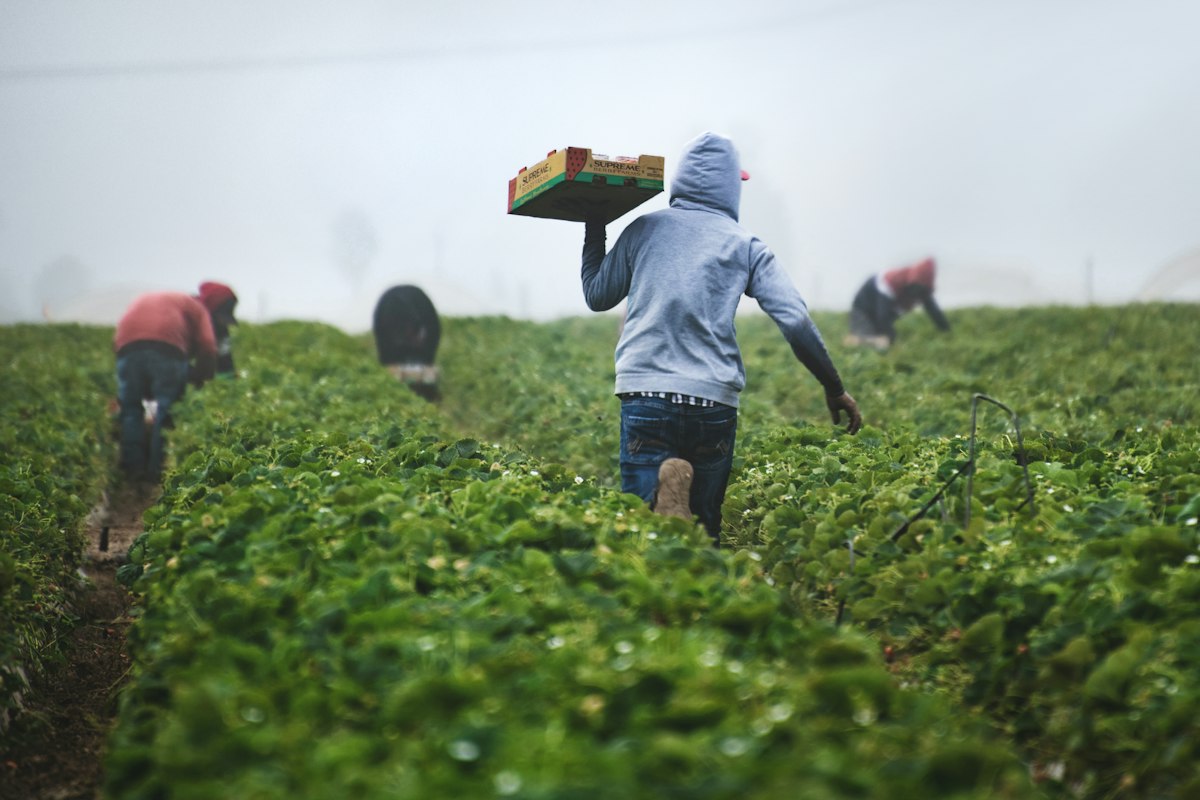
Agriculture's Missing Generation: Why the World Is Running Out of Farmers
The average farmer in the United States is 58.1 years old. In Japan, that figure is 67. Only 5.6% of EU farms are managed by someone under 35. The world is facing a generational farming crisis.